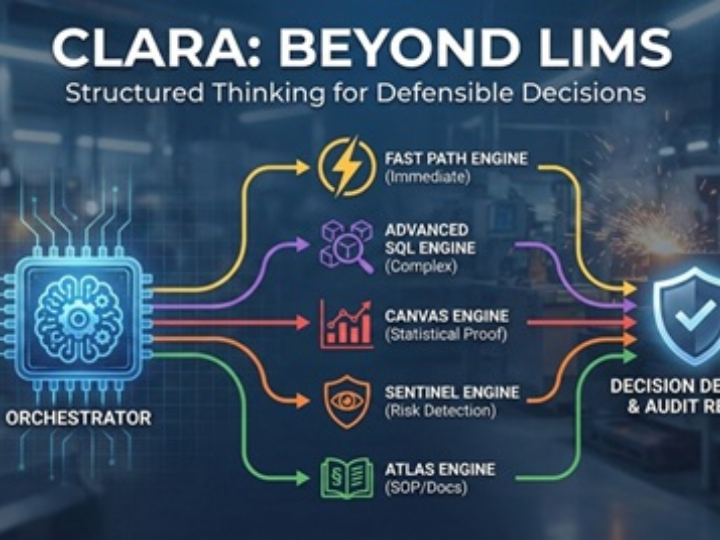
AI-Powered LIMS for Industrial Laboratories: Building a Decision & Audit Defense System

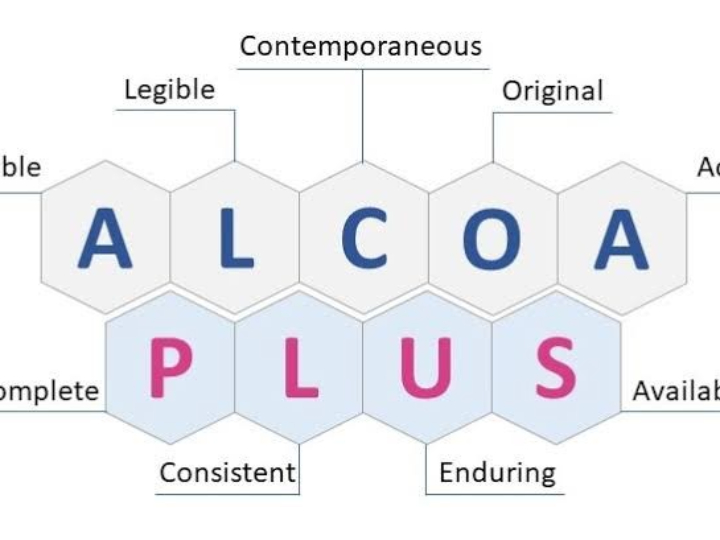
In many industrial laboratories, data is never the problem. Spectrometers continuously generate results, furnaces record temperatures, tapping and holding times are logged, LIMS systems run smoothly, and reports are produced on schedule. From the outside, everything appears under control.

The problem lies elsewhere.

It begins when analysis results are questioned.
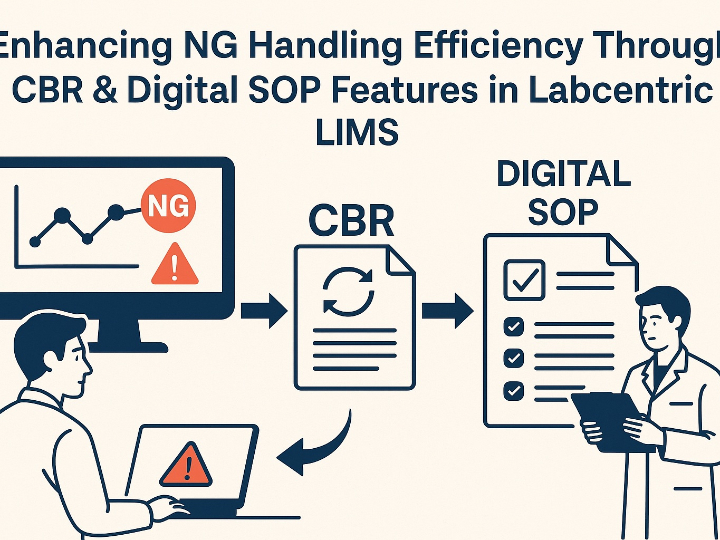
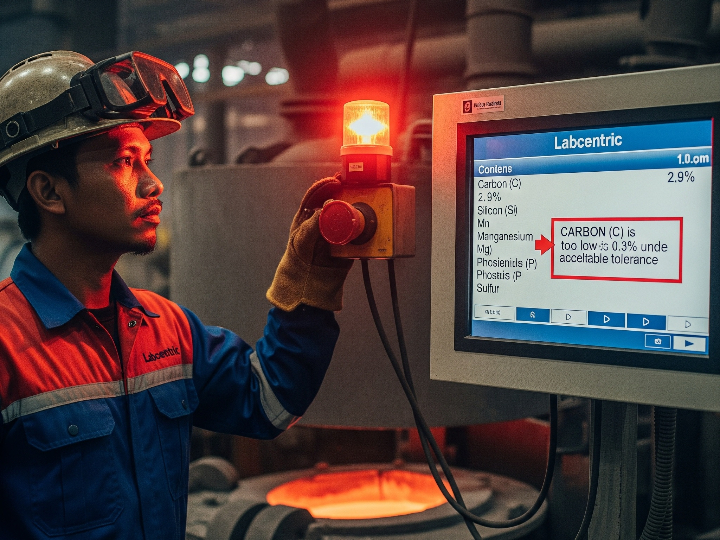
Why was this heat classified as NG?
Why was this correction applied?
Why is one shift being questioned while another is not?

At that moment, what is needed is not another chart, but a clear and defensible explanation.

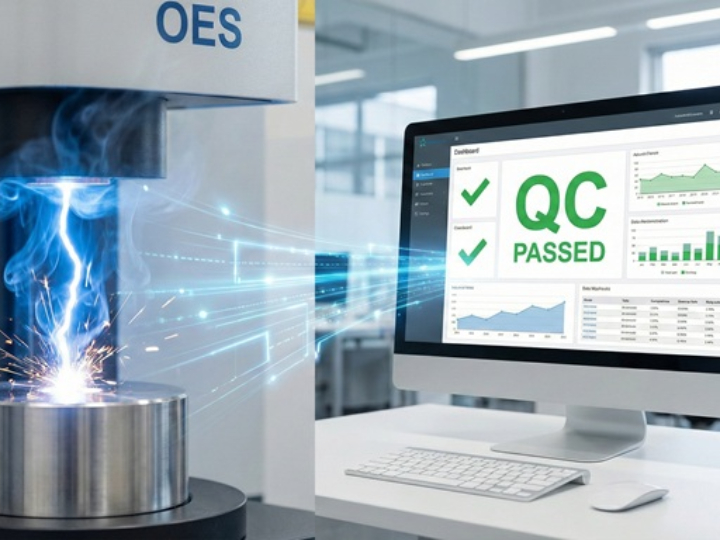
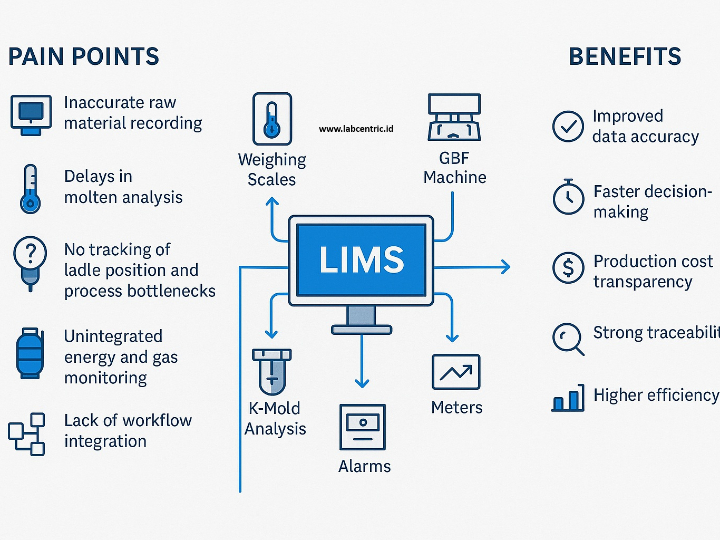
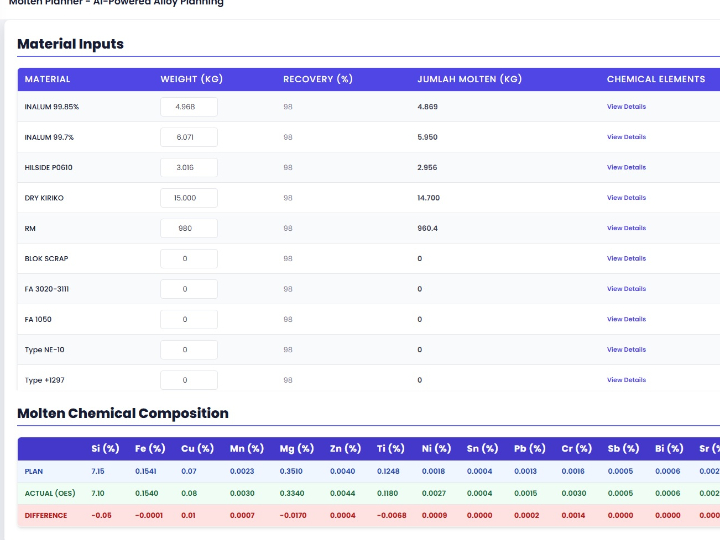
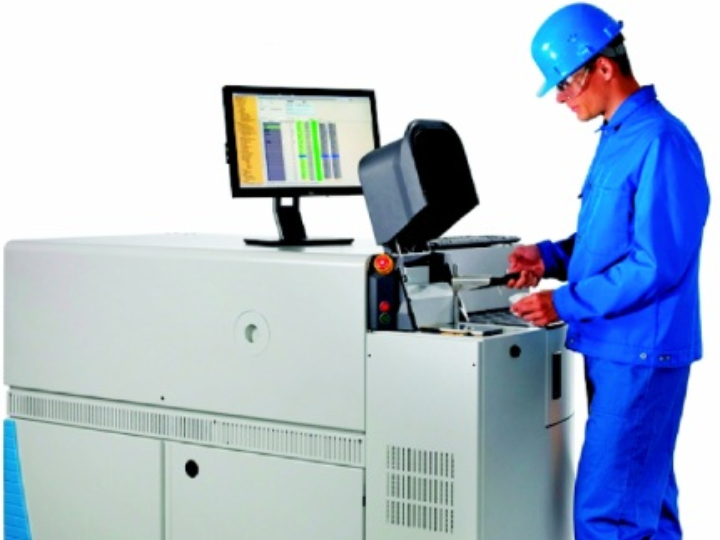
Integrating OES and Furnaces into LIMS: A Realistic Path to Stable Aluminium QC

Many aluminium foundries struggle with high reject rates and unstable Magnesium levels because their OES and furnace data are not integrated. This article explains how connecting these machines to a unified LIMS can transform QC from reactive to predictive, prevent overheating, and significantly reduce composition variation. With automated data flow, foundries improve production efficiency while ensuring the traceability needed for demanding Japanese audits.

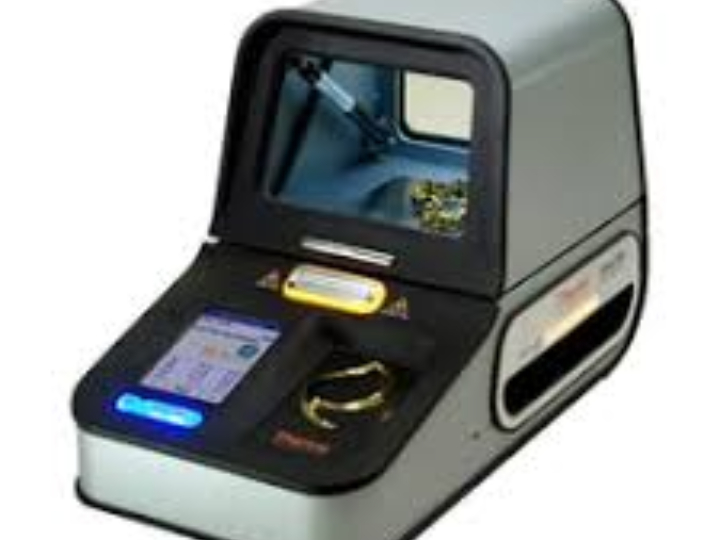
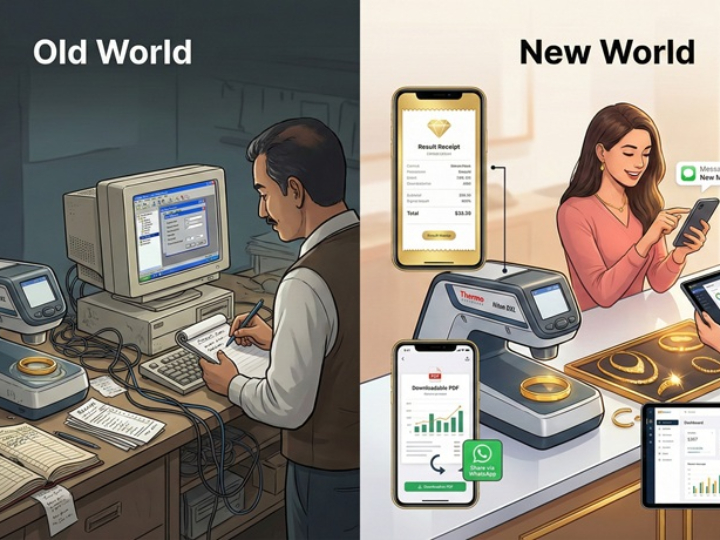
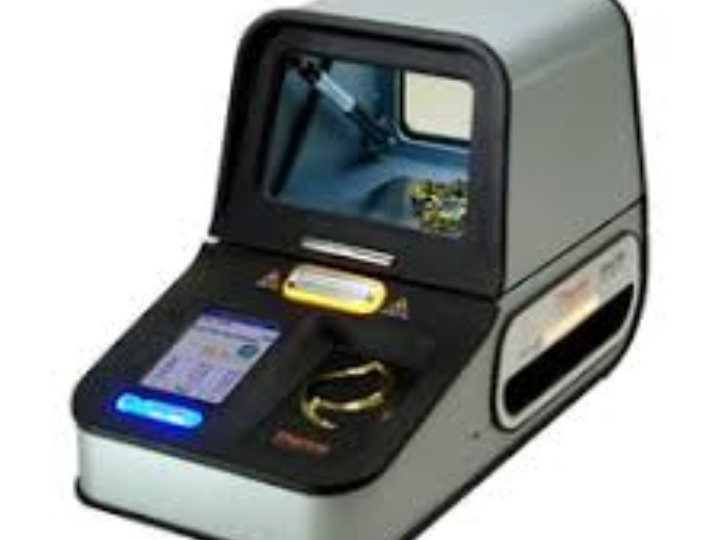
How to Make Your Niton DXL Print Receipts & Send WhatsApp Automatically (No Laptop Needed!)

Just to print a simple analysis result, you have to connect cables to a laptop, boot up software, manually transfer data, and then print. If a customer asks for the result to be sent to their phone, you often have to type it out manually. It’s complicated, time-consuming, and leaves your customers waiting. For a device worth thousands of dollars, the workflow shouldn't feel stuck in the 90s.

The good news? There is now a simple way to "unlock" your Niton DXL’s true potential without buying a new unit.

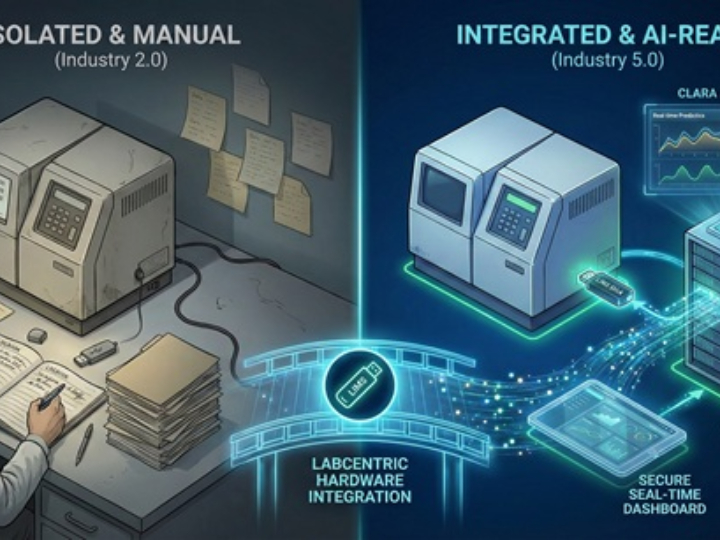
The Paradox of the Modern Laboratory: Chasing the Vision of Industry 5.0 with Disconnected Infrastru

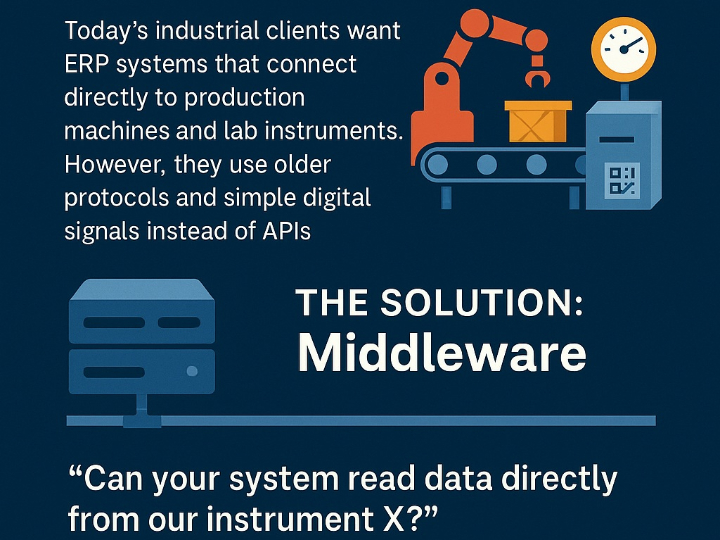
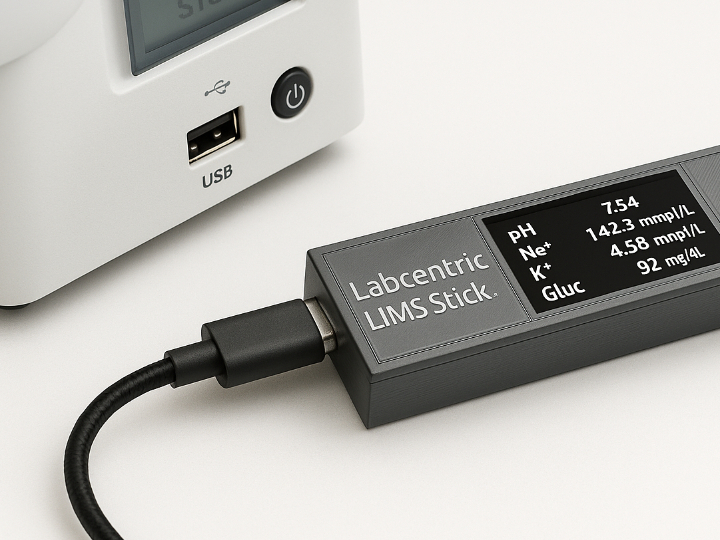
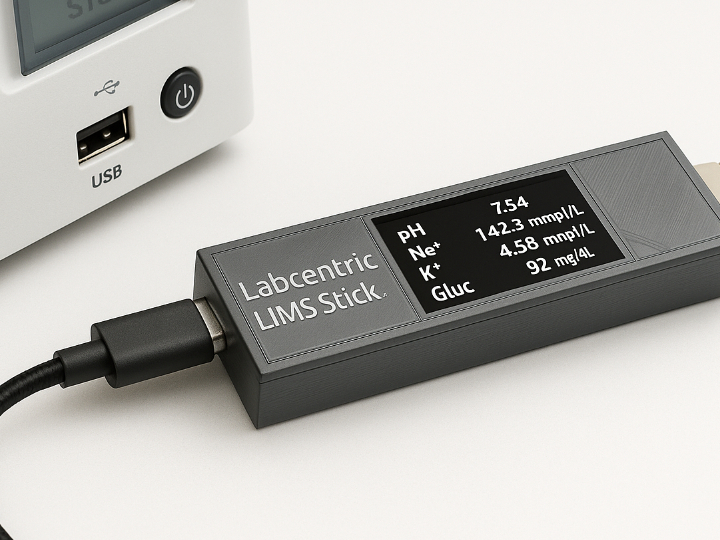
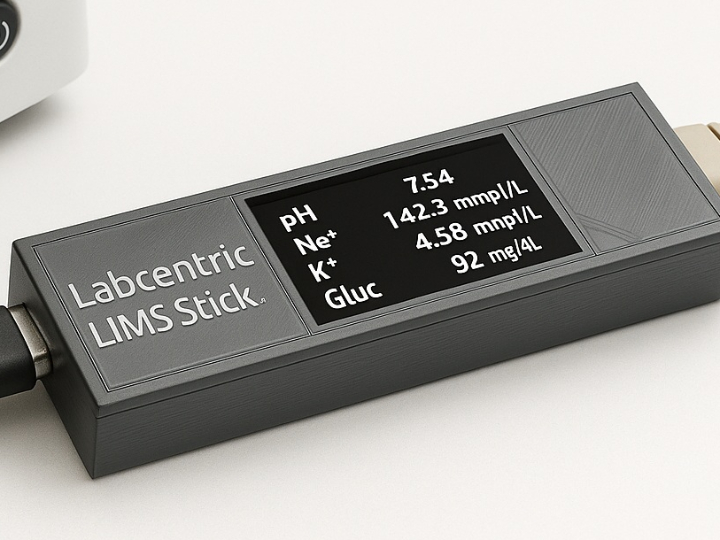
Labcentric bridges the gap to Industry 5.0 through innovative hardware integration solutions that connect isolated laboratory instruments directly to centralized data systems. This approach secures data integrity and regulatory compliance by eliminating human error, effectively laying the necessary groundwork for advanced analytical AI implementation.

Non-Generative AI and Quality by Design: The Digital Pillar of Pharmaceutical Product Quality in the

The pharmaceutical industry is a heavily regulated sector, where every product batch must guarantee consistent safety and efficacy. The Current Good Manufacturing Practice (cGMP) standard, or in Indonesia known as Cara Pembuatan Obat yang Baik (CPOB), is the operational foundation. However, in the Industry 4.0 era, demands have shifted from merely following procedures to ensuring quality through a deep understanding of the processes. This is the core of Quality by Design (QbD).

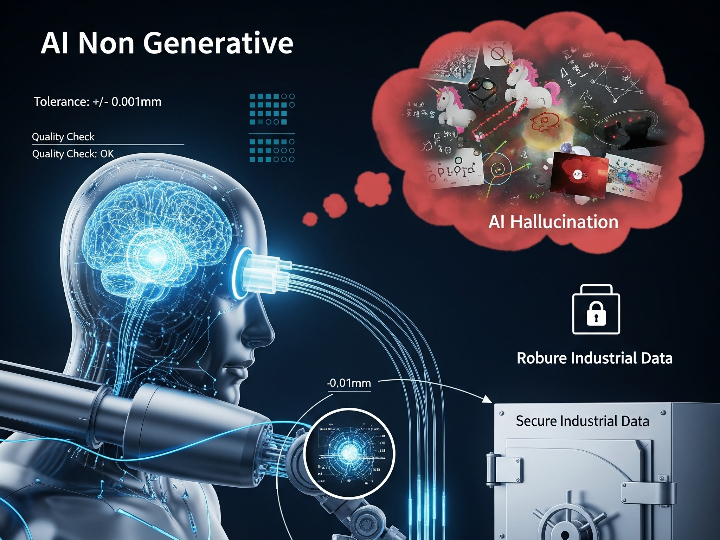
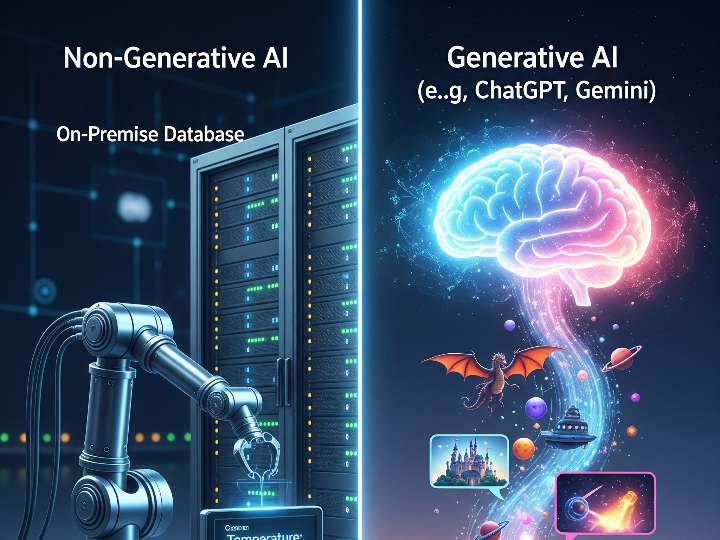
Non-Generative AI for Manufacturing and Laboratory Industries: Transparent, and Data-Driven Only

In recent years, Artificial Intelligence (AI) has become a hot topic across various industries. However, many companies in manufacturing and laboratory sectors remain hesitant—or even fearful—about adopting this technology. The primary concerns revolve around data security, the risk of AI "hallucinations", and the lack of transparency behind AI-generated answers.

WhatsApp
+6282179677177